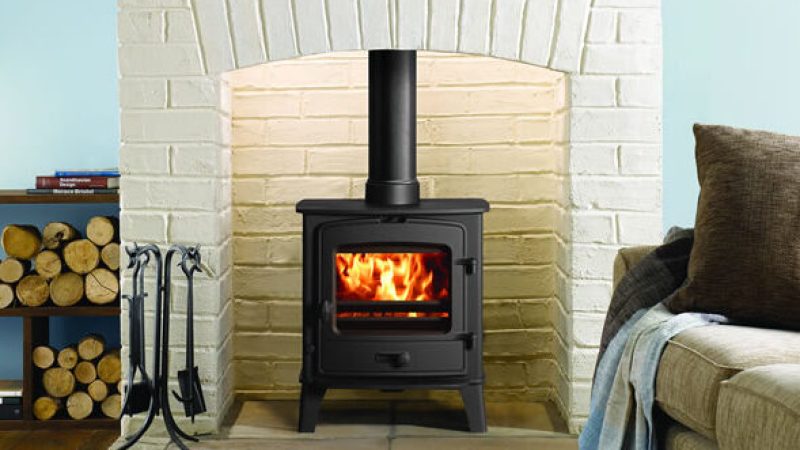
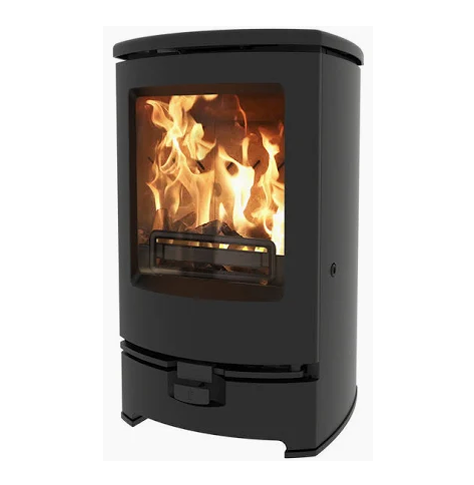
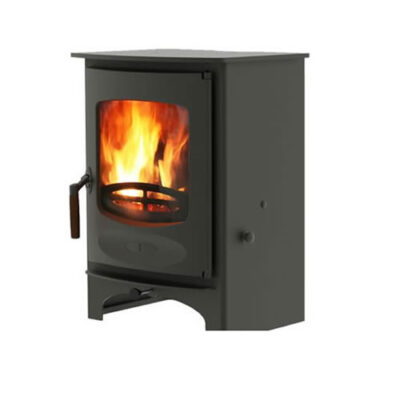
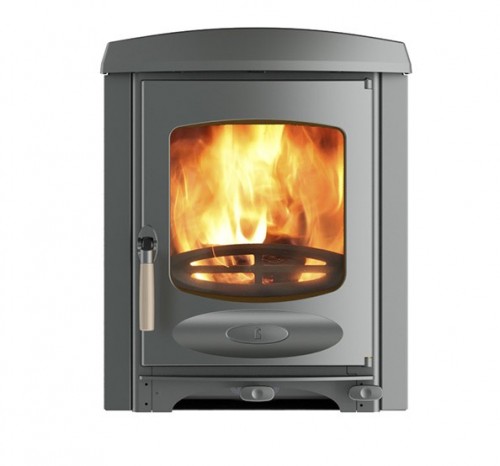
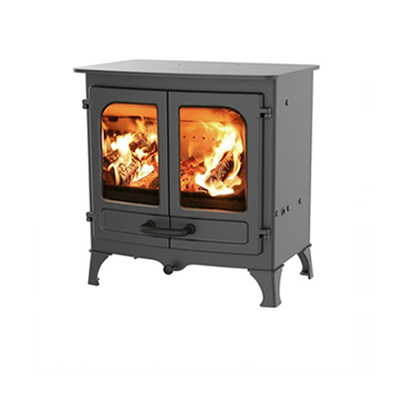
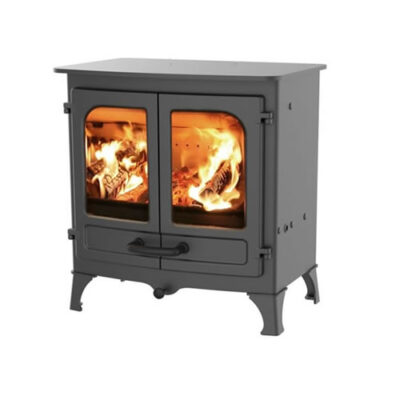
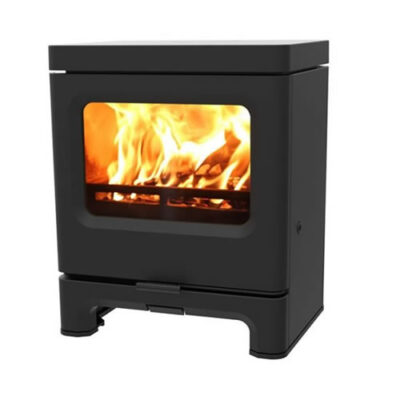
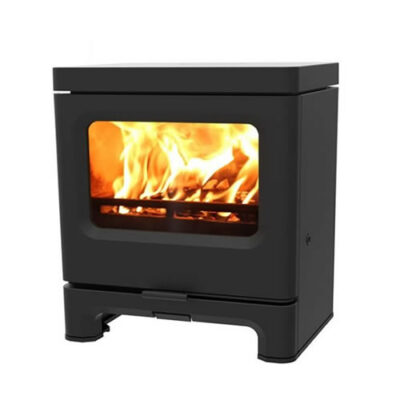
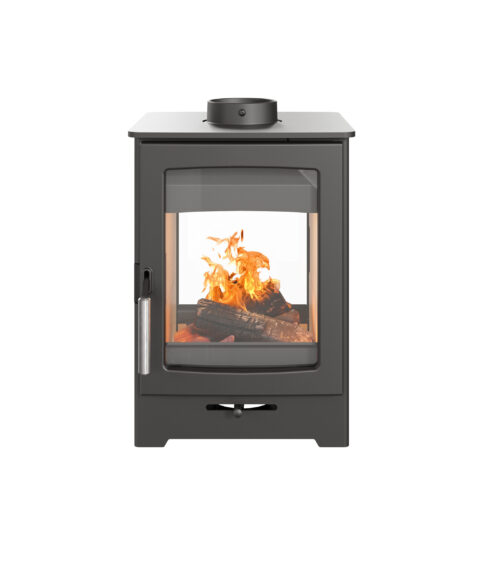
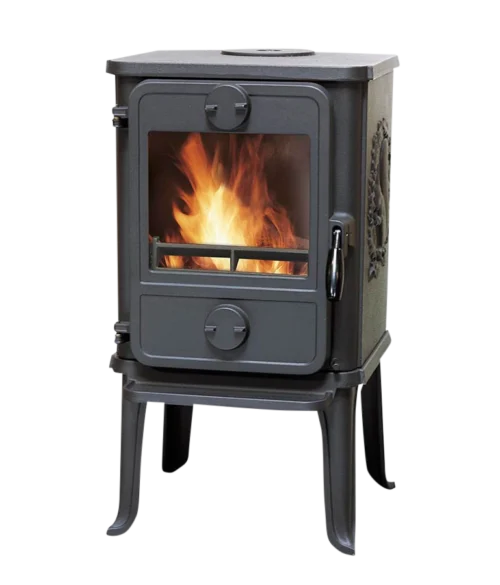
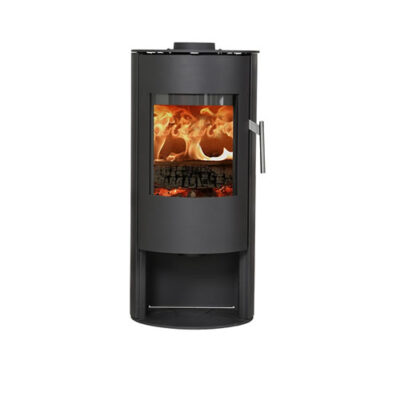
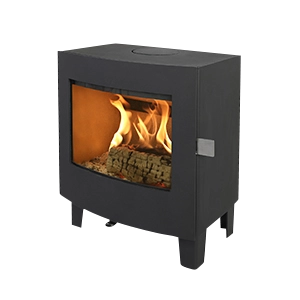
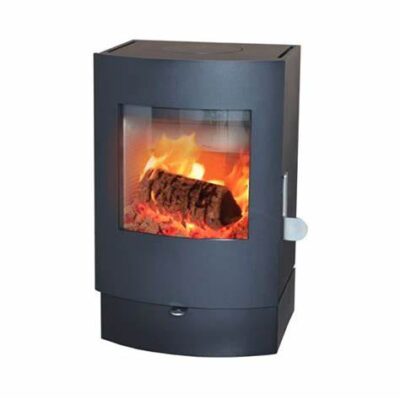
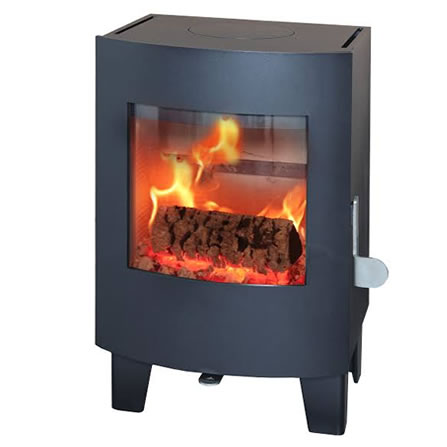
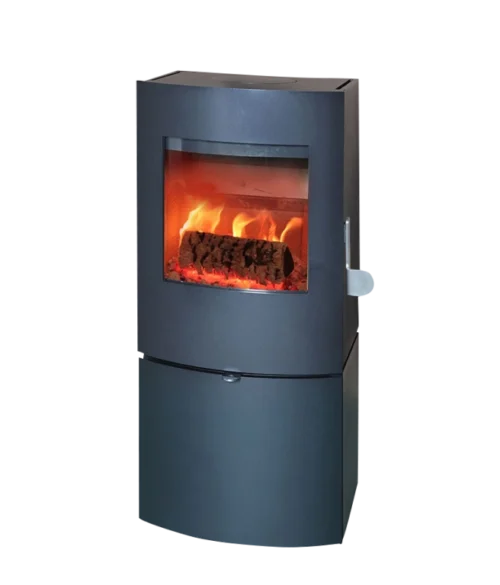
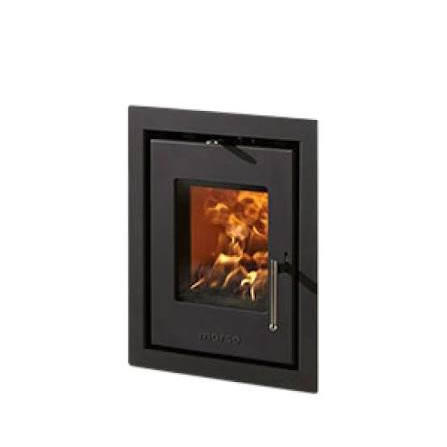
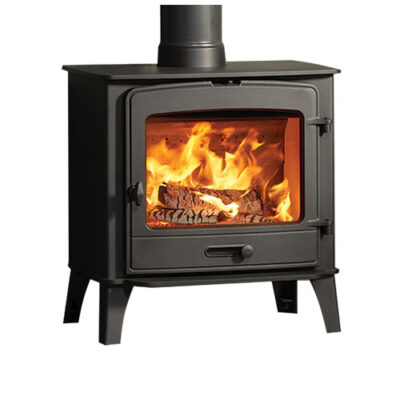
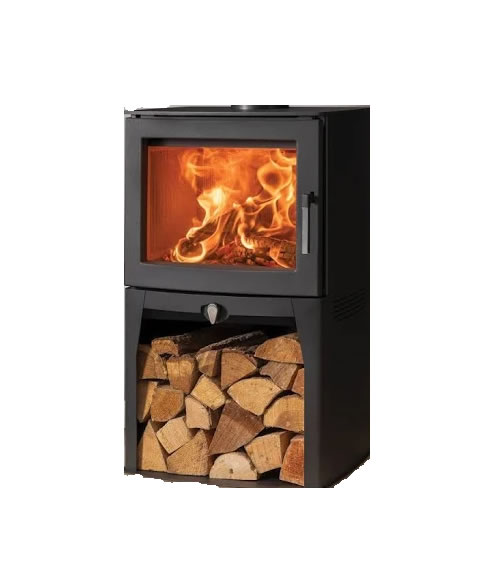
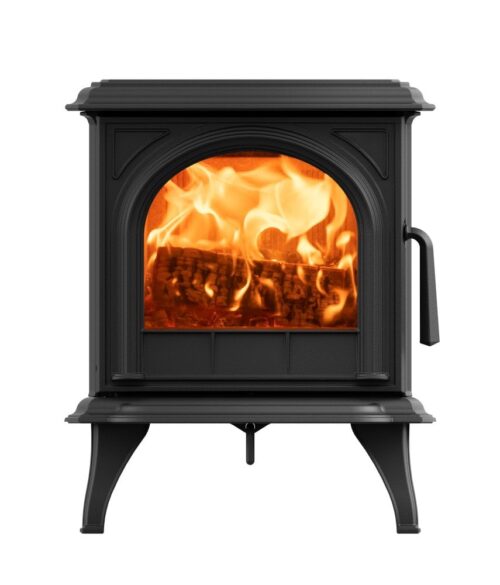
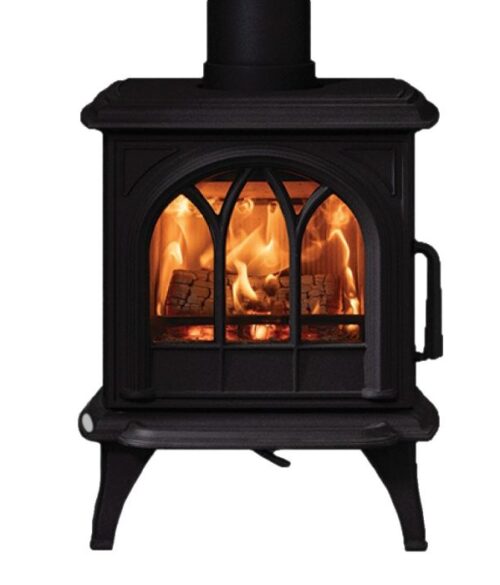
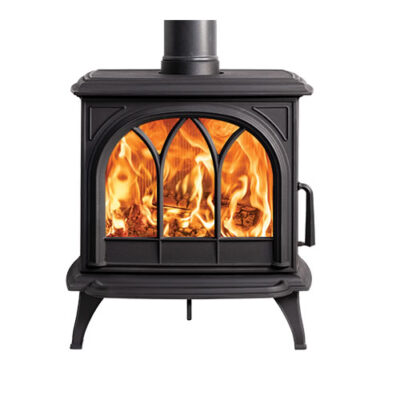
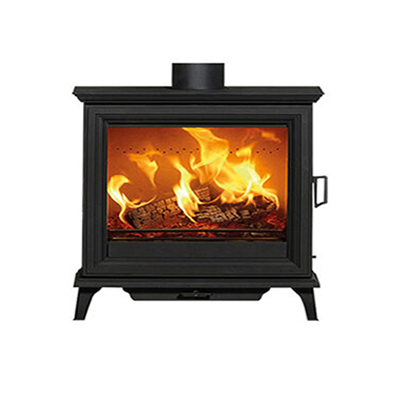
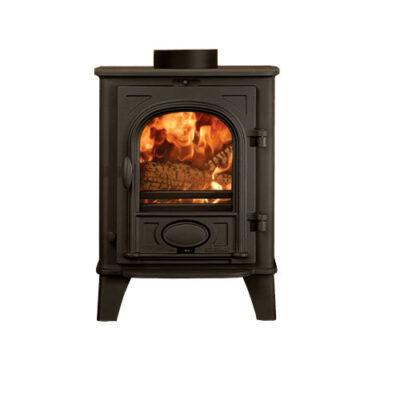
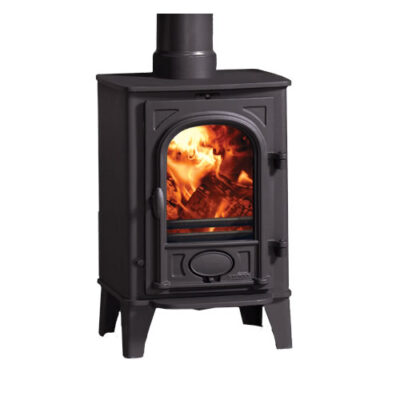
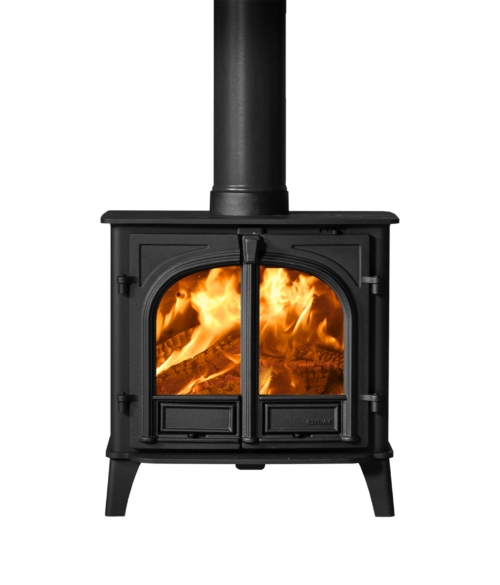
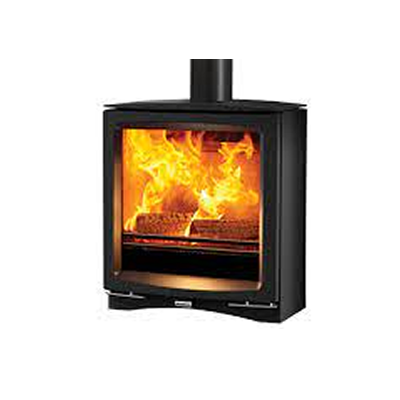
Multi-fuel stoves offer a flexible and efficient way to heat your home, giving you the option to burn both wood and smokeless fuels such as coal or briquettes. Designed for versatility, they allow you to choose the fuel that best suits your needs, whether that’s convenience, heat output or availability.
Unlike standard wood burning stoves, multi-fuel models are built with a raised grate and airflow system that allows air to circulate underneath the fuel. This is essential for burning smokeless fuels effectively, as they require air from below to maintain combustion.
Wood burning stoves, by comparison, are typically designed to burn logs on a flat bed of ash, with air supplied from above. Burning smokeless coal in a wood-only stove can be hard as you don’t have air from underneath helping it to burn.
With a multi-fuel stove, you get the best of both options. Wood provides a natural flame and traditional feel, while smokeless fuels tend to burn hotter and for longer periods, making them ideal for extended heating.
Modern multi-fuel stoves are highly efficient and are EcoDesign compliant, helping to reduce emissions while improving performance. They are available in a range of sizes, styles and heat outputs, making it easy to find the right stove for your space.
If you are unsure whether a wood burning or multi-fuel stove is the right choice, our team can help guide you based on your home, fuel preference and heating requirements.
Browse our multi-fuel stove range below or visit our showroom to see the options in action.
Showing all 47 results
• Airspace around the stove
The stove should have adequate air space around it to allow the stove to heat the room rather than heat the fireplace. A minimum of 150mm (6”) is required above the stove (500mm if there is a wooden mantel/beam) and 100mm (4”) either side.
• The size of stove
The correct size stove running at its optimum is more efficient and burns cleaner (less emissions, cleaner chimney, cleaner glass, better view of the fire) than too large a stove constantly running slowly, to prevent overheating the room. Please use our stove size calculator.
• You may need an air vent in the room.
Fires require oxygen to burn and current regulations state that stoves over 5 kilowatt output require an air vent of 1 square inch (645.16 sq mm) per kw. Stoves under 5kw do not require an air vent, unless the property has been built since 2010, the room has more than one chimney or there is an extractor fan nearby. In these circumstances, please contact us for further advice.
• DEFRA Exempt appliance
If you live in a smoke control area (mostly within UK cities, see DEFRA’s website to find this out) and want to burn wood, you will need a DEFRA exempt appliance. Most ecodesign woodburning stoves are already DEFRA exempt, but it will need to be checked. Alternatively, you can burn smokeless fuel on a multifuel stove.
• All wood and multifuel stoves will need a chimney
If you don’t have a traditional chimney in your property, you can install a stainless-steel twin wall chimney. If you have an existing chimney it may need lining or relining depending on its condition, age and how it was constructed.
• You will need a hearth underneath the stove
A minimum of 225mm from the front of the stove is required. Either side 150mm is needed. If the doors on the stove come out further it is good practice to increase the measurements to the depth of the door.
• Distance to combustibles
Every woodburning fire or stove will have measurements specified by the manufacturer indicating how far away they must be from flammable objects. You usually get distances from the rear of the appliance and the sides. Please note that distance from the top and from the flue is specified under building regulations and is 500mm from anything combustible (e.g. a wooden beam or plasterboard).
• The stove needs to be installed to the building and manufacturer’s instructions
A HETAS or OFTEC engineer can fit wood burners and sign the installation off themselves, taking legal responsibility for the installation. You can fit them yourself or by a builder, but you will need to apply for building regulation approval.
• Once installed
The stove or fire will need sweeping at least yearly, you should only burn suitable dry wood or smokeless fuel.
Not sure where to start? We’re here to help.
Whether you’re choosing your first stove, looking for a spare part or planning a complete fireplace installation, our team is always happy to offer honest, practical advice.
Fill out the below form and we can help you find the top stoves to fit your space.